105 stories to explore · Articles in English
 Start here
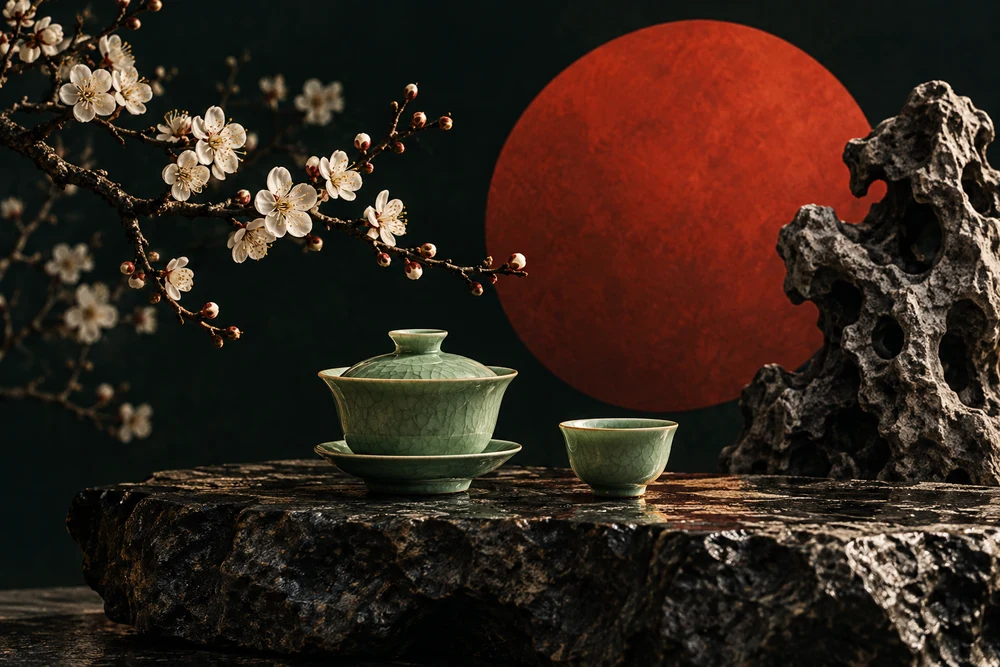
Beyond the zodiac: meet your Day Master
Your birth year is one chapter. The Day Master offers a different starting point for reading a BaZi chart.
Culture & ritualsChinamaxxing, with a little more meaning
Curiosity can start with a meme. It becomes more interesting when you follow it somewhere.
 Start here
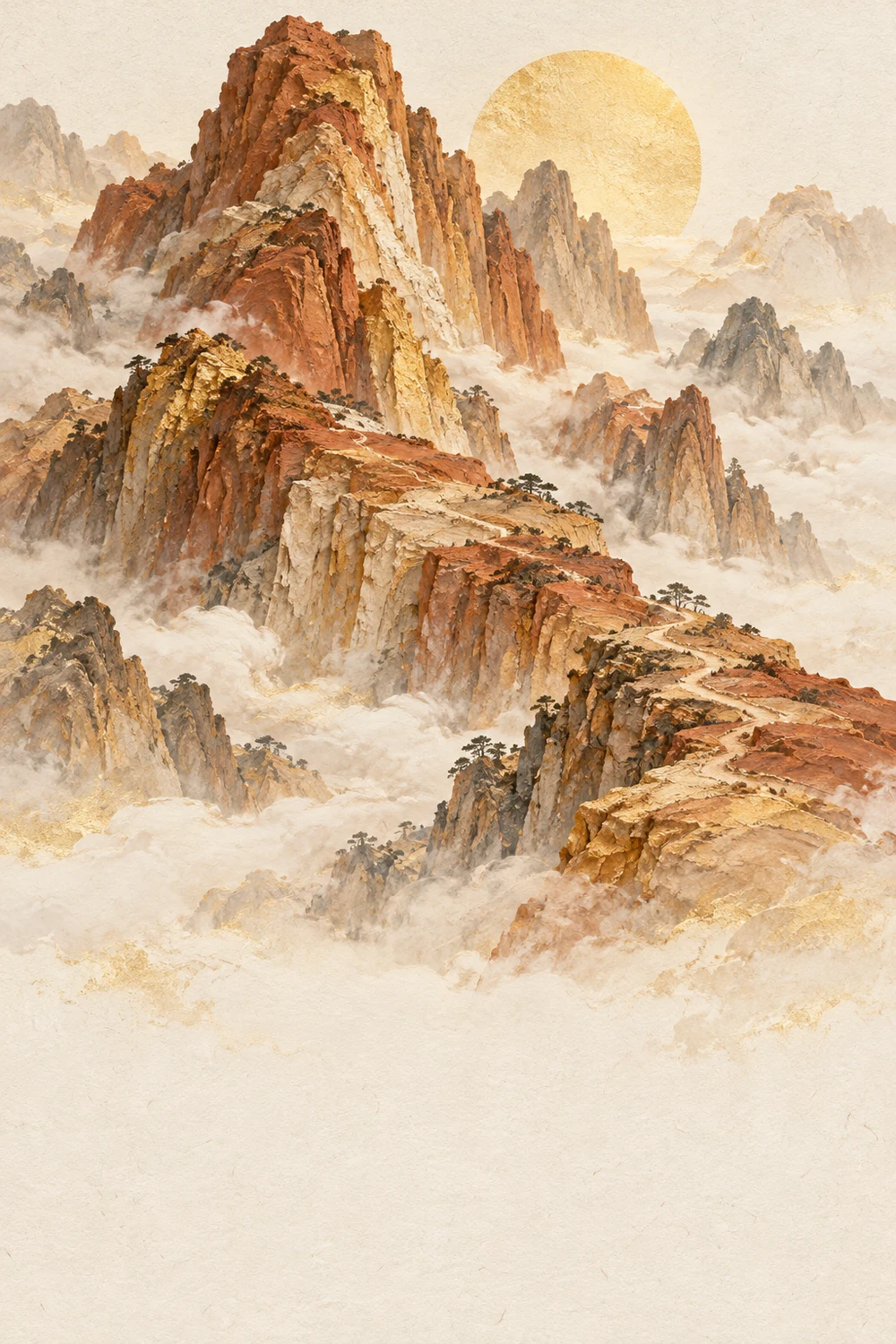
Your zodiac animal is only the beginning
Two people can share an animal and have quite different four-pillar charts.
 Five elements
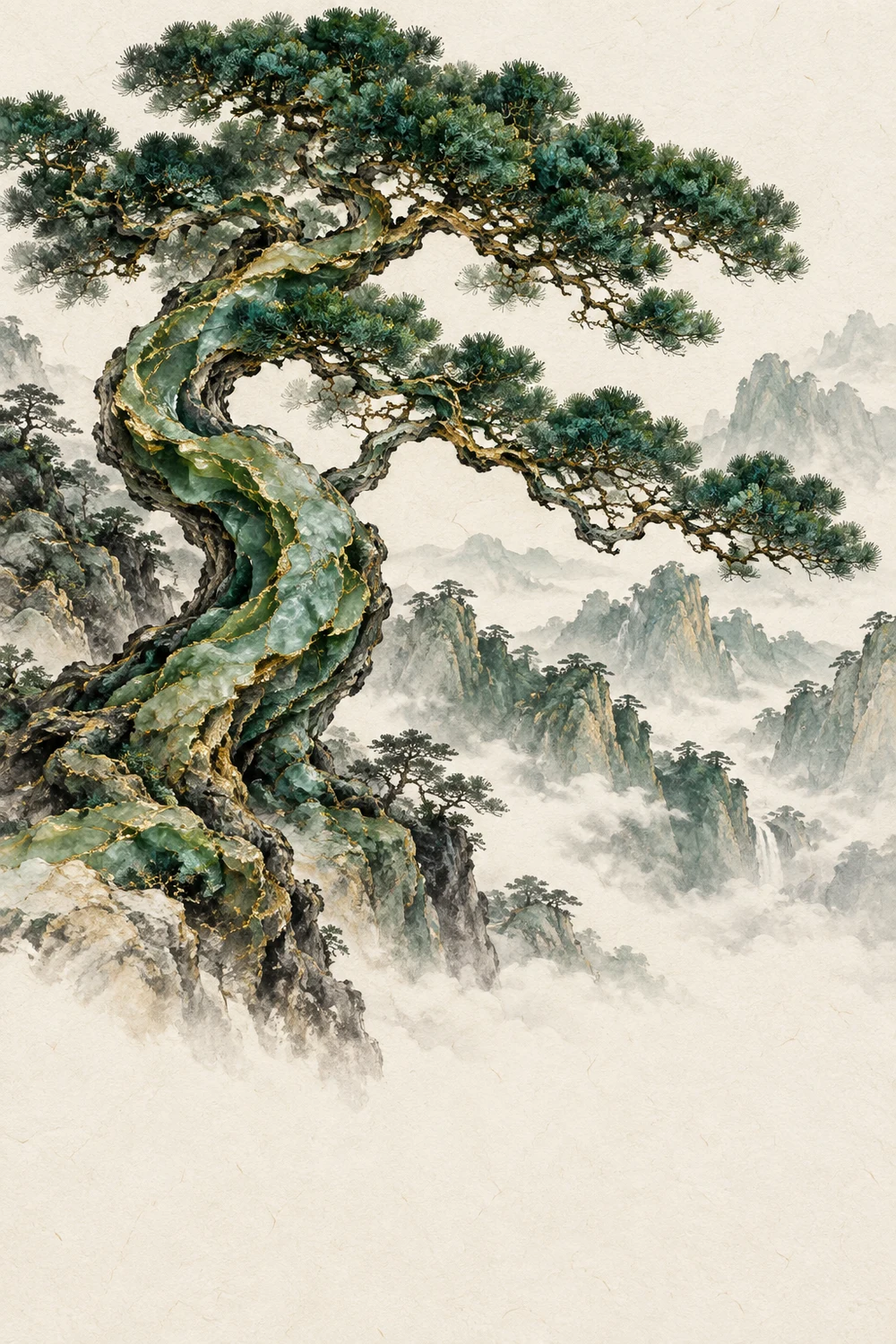
The five elements are a conversation
Wood, Fire, Earth, Metal and Water describe a language of movement and relationship.
 Start here
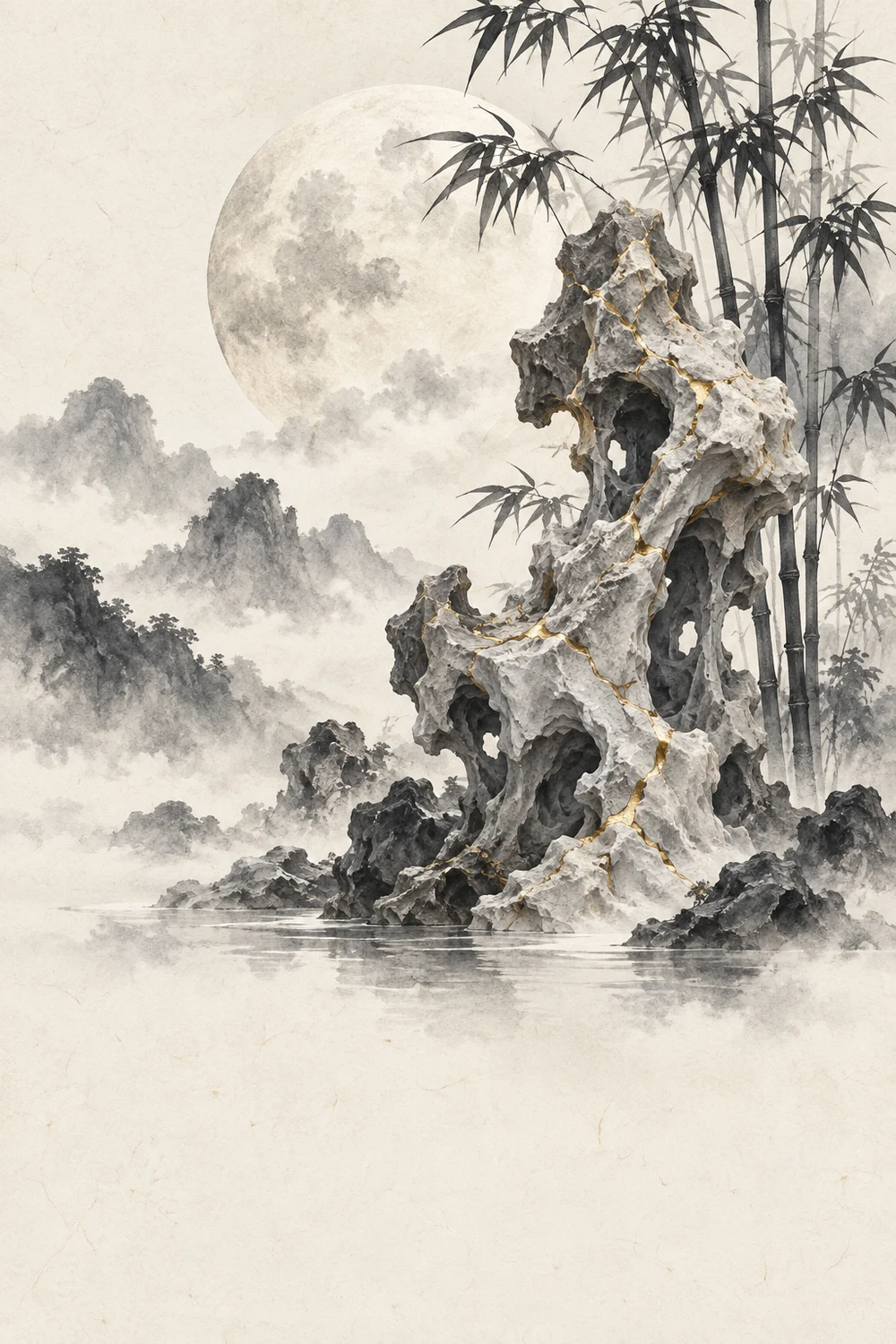
How to read your four pillars
A small reading guide for the eight characters in front of you.
Our methodOur method: what is calculated and what is interpreted
A clear chart deserves a clear explanation of how it was made.
 Our method
Birth time, time zones and the hour you actually mean
“Eight in the morning” needs a place and a calendar before it becomes a precise instant.
Our methodWhy your BaZi year can start before Lunar New Year
Li Chun and Lunar New Year belong to related but different calendar structures.
SeasonsTwenty-four solar terms: a year in smaller chapters
A traditional way to pay attention to the changing year.
Five elementsA missing element is not a missing part of you
A zero in a simple chart count is an observation, not a diagnosis.
Culture & ritualsA mirror, not a verdict
How to get something useful from a symbolic reading while keeping your own judgment.
 Culture & rituals
Compare your elements. Keep the conversation open.
A friend comparison works best as a pair of questions, not a score.
Culture & ritualsSeven days, five elements, one small experiment
A low-pressure way to turn a reading into observations about real life.
Start hereThe twelve Earthly Branches, beyond animal signs
A repeating sequence that connects years, months, days and hours.
Everyday practiceThe Trailblazer: a week of field notes
A seven-day field experiment can turn Jia Wood from a fixed label into a useful lens for noticing direction, flexibility, purpose and the unseen conditions that help growth.
Everyday practiceThe Quiet Alchemist: a week of field notes
A seven-day field-notes experiment uses Yi Wood, the BaZi image of flexible growth, as a prompt—not a verdict. Watch how you adapt, where you hold your ground, and what the metaphor misses.
Everyday practiceThe Radiant One: a week of field notes
What happens when you treat “The Radiant One” as a weeklong lens rather than a label? These field notes turn Bing Fire imagery into small observations about warmth, visibility, momentum and rest.
Everyday practiceThe Lantern Keeper: a week of field notes
For seven days, borrow the Lantern Keeper’s focused light—not as an identity, but as a way to notice how attention shapes work, relationships and atmosphere.
Everyday practiceThe Mountain: a week of field notes
For one week, borrow the Mountain as a lens—not a label—and notice how steadiness, perspective and movement appear in the ordinary terrain of your life.
Everyday practiceThe Garden Keeper: a week of field notes
For one week, borrow the Garden Keeper metaphor to observe how you support people, projects and yourself—without turning a poetic image into a fixed identity.
Everyday practiceThe Pathfinder: a week of field notes
A week of field notes can turn the Pathfinder metaphor into something testable in ordinary life: not a verdict about who you are, but a prompt to notice how you decide, speak, and change course.
Everyday practiceThe Curator: a week of field notes
A week of small observations can turn the Curator into a useful prompt rather than a label. Try these field notes as an experiment in attention, craft and the freedom to leave things unfinished.
Everyday practiceThe Ocean Mind: a week of field notes
For one week, borrow the Ocean Mind as a lens for noticing curiosity, movement and commitment. These field notes turn a traditional image into a practical experiment.
Everyday practiceThe Dream Weaver: a week of field notes
A week of field notes can turn the Dream Weaver metaphor into a practical experiment: notice what you sense, separate it from what you infer, and test an idea with one small action.
Everyday practiceBuild one small project in five phases
A small project can feel easier to finish when you give different kinds of work their own moment. Here, five BaZi element metaphors offer a practical sequence for beginning, sharing, maintaining, refining and reflecting.
Everyday practiceA ten-minute walk for noticing more
A short walk can become a small practice in attention. Borrowing BaZi’s five-element imagery as a set of prompts, notice what is around you without needing to turn every observation into a conclusion.
Everyday practiceMake a season notebook for where you live
A season notebook turns your immediate surroundings into a personal almanac, helping you notice how local light, weather and daily life actually change rather than following a borrowed calendar.
Everyday practiceOne ordinary object, five perspectives
A mug or notebook can become a small studio for attention. Viewed through five BaZi phase metaphors, an ordinary object reveals different questions about use, change, care and meaning.
Everyday practiceTurn seven observations into a tiny zine
A tiny zine can turn ordinary noticing into a deliberate sequence. Gather seven observations, shape them with five elemental editing lenses, and let the final page preserve uncertainty.
Everyday practiceMake a five-phase color palette
Build a flexible color palette by treating Wood, Fire, Earth, Metal and Water as design prompts, then testing every choice against purpose, contrast and readability.
Everyday practicePhotograph transitions in an ordinary week
Use five BaZi-inspired phases as a camera prompt, noticing how an ordinary week begins, brightens, steadies, simplifies and pauses without turning daily life into a personality test.
Everyday practiceBuild a small ritual that survives busy days
A durable creative ritual does not need heroic discipline. Give it a two-minute floor, a spacious optional version, and a graceful way to begin again.
Everyday practiceA one-page reset for an unfinished project
An unfinished project can become easier to face when you stop asking how to complete everything and decide what deserves one bounded next step. This one-page reset uses BaZi imagery as a reflection tool, not a verdict.
Everyday practiceBuild a library of symbols that mean something to you
A symbol can carry a public history, a private memory, or simply a meaning you are still working out. Build a small, honest record of what each one means to you—and what you do not yet know.
ConnectionsCompare your cards without boxing each other in
Comparing two BaZi cards can open a thoughtful conversation when the charts remain prompts, not verdicts. Use the language of elements to notice patterns, test interpretations and leave room for both people.
ConnectionsA five-phase friendship check-in
Friendship often depends less on being alike than on making room for different ways of connecting. A five-phase BaZi metaphor can help turn that idea into a practical check-in, without assigning anyone a fixed role.
ConnectionsSame Day Master, different lives
A Day Master can offer a useful metaphor, but it cannot tell a whole life. Context, responsibilities, resources and repeated choices shape how any symbol appears in practice.
ConnectionsHost a curiosity night with ten archetypes
Turn ten traditional BaZi relationships into a relaxed evening of conversation, collage and reflection. Nobody needs to share birth details, accept a label or know anything about Chinese metaphors beforehand.
ConnectionsA creative brief for two different approaches
Two friends making one postcard can borrow BaZi’s elemental language as a creative prompt: a way to discuss choices, roles and revision without turning metaphor into a verdict on ability.
ConnectionsBetter questions for a compatibility conversation
Compatibility is more useful as a conversation than a verdict. BaZi can offer a set of traditional metaphors for noticing different approaches, but the practical work is asking how two people communicate, decide, and build together.
ConnectionsShare the art, keep the birth details private
A BaZi reading can feel personal, even when its language is symbolic. Before sharing a result, decide what belongs in a private report, what works on a public card, and which details you would rather keep to yourself.
ConnectionsA story circle with room for disagreement
A generous story circle does not require agreement. It asks for attention, careful paraphrasing and enough room for every participant to decide what they will share.
ConnectionsWhen your friend disagrees with your card
A BaZi card can offer language for reflection, but a friend’s lived experience may not match its description. When that happens, let the disagreement make the conversation more precise, not more persuasive.
ConnectionsMake a postcard for a friend
A handmade postcard can hold more than praise. Using the five phases as a creative palette, you can show a friend precisely how their actions have mattered to you.
Our methodHow to read a reflection report actively
A reflection report becomes useful when you treat it as a set of prompts rather than a verdict. Active reading turns symbolic language into careful observation, productive doubt and practical experiments.
Our methodA small BaZi glossary you can actually use
BaZi can look dense at first. This compact glossary gives you seven dependable building blocks, plus a simple way to read the language without turning symbols into labels.
Our methodWhy two calculators might disagree
A different BaZi result does not automatically mean one calculator is broken. Often, it reflects a quiet choice about calendars, clocks, locations or day boundaries.
Our methodWhat if you do not know your birth time?
An unknown birth time does not invite a creative guess. It calls for a narrower, more honest reading—and a little careful detective work before a full BaZi chart is calculated.
Our methodA better way to test a personality description
A personality description becomes useful when you treat it as a prompt to investigate, not a verdict. Recent examples, counterexamples and context reveal far more than instant recognition.
Our methodKeep an evidence journal beside your reading
A reading becomes more useful when it meets ordinary life. An evidence journal lets you compare BaZi-inspired reflections with specific observations, interpretations, and small next actions.
Our methodHow to give useful feedback on a reading
A useful response to a BaZi reading is not a verdict on whether it was “right.” It is a clear account of what you noticed, what did not fit, and what would make the experience more helpful.
Our methodThe difference between a metaphor and a prediction
BaZi can offer a vocabulary for noticing patterns, but a metaphor is not a forecast. The useful question is not what a chart guarantees, but what its images help you examine.
Our methodRead five-phase counts without a scoreboard
Five-phase counts can make a BaZi chart easier to scan, provided we treat them as a simple description of visible symbols rather than a scorecard.
Our methodFollow a trend into a real question
Curiosity about Chinamaxxing can be a useful starting point, but the richer destination is a personal question: what are you trying to understand, change, or practice in your own life?
Ten archetypes甲 Jiǎ Yang Wood: The Trailblazer
Rooted in purpose. Always reaching for what comes next.
Ten archetypes乙 Yǐ Yin Wood: The Quiet Alchemist
Soft edges. Remarkable resilience.
Ten archetypes丙 Bǐng Yang Fire: The Radiant One
You bring the room a little more light.
Ten archetypes丁 Dīng Yin Fire: The Lantern Keeper
A small light can change the whole atmosphere.
Ten archetypes戊 Wù Yang Earth: The Mountain
A steady presence in a world that keeps moving.
Ten archetypes己 Jǐ Yin Earth: The Garden Keeper
Good things grow where you give them room.
Ten archetypes庚 Gēng Yang Metal: The Pathfinder
Cut through the noise. Make the next move count.
Ten archetypes辛 Xīn Yin Metal: The Curator
You notice the detail that makes everything feel right.
Ten archetypes壬 Rén Yang Water: The Ocean Mind
Big horizons. Unexpected connections.
Ten archetypes癸 Guǐ Yin Water: The Dream Weaver
Quiet observation. A world of possibility.
Five elements木 Wood: grow in your own way
Growth, vision and the courage to begin.
Five elements火 Fire: illuminate in your own way
Expression, connection and the warmth of being seen.
Five elements土 Earth: ground in your own way
Steadiness, nourishment and a place to belong.
Five elements金 Metal: refine in your own way
Clarity, discernment and the art of letting go.
Five elements水 Water: flow in your own way
Curiosity, depth and room for possibility.
Twelve branches子 Zǐ, the Rat branch
A reference to the 1st Earthly Branch: its place in the sequence, time span and imagery.
Twelve branches丑 Chǒu, the Ox branch
A reference to the 2nd Earthly Branch: its place in the sequence, time span and imagery.
Twelve branches寅 Yín, the Tiger branch
A reference to the 3rd Earthly Branch: its place in the sequence, time span and imagery.
Twelve branches卯 Mǎo, the Rabbit branch
A reference to the 4th Earthly Branch: its place in the sequence, time span and imagery.
Twelve branches辰 Chén, the Dragon branch
A reference to the 5th Earthly Branch: its place in the sequence, time span and imagery.
Twelve branches巳 Sì, the Snake branch
A reference to the 6th Earthly Branch: its place in the sequence, time span and imagery.
Twelve branches午 Wǔ, the Horse branch
A reference to the 7th Earthly Branch: its place in the sequence, time span and imagery.
Twelve branches未 Wèi, the Goat branch
A reference to the 8th Earthly Branch: its place in the sequence, time span and imagery.
Twelve branches申 Shēn, the Monkey branch
A reference to the 9th Earthly Branch: its place in the sequence, time span and imagery.
Twelve branches酉 Yǒu, the Rooster branch
A reference to the 10th Earthly Branch: its place in the sequence, time span and imagery.
Twelve branches戌 Xū, the Dog branch
A reference to the 11th Earthly Branch: its place in the sequence, time span and imagery.
Twelve branches亥 Hài, the Pig branch
A reference to the 12th Earthly Branch: its place in the sequence, time span and imagery.
Seasons小寒 · Minor Cold
A short introduction to Minor Cold, a solar marker usually occurring in January.
Seasons大寒 · Major Cold
A short introduction to Major Cold, a solar marker usually occurring in January.
Seasons立春 · Beginning of Spring
A short introduction to Beginning of Spring, a solar marker usually occurring in February.
Seasons雨水 · Rain Water
A short introduction to Rain Water, a solar marker usually occurring in February.
Seasons惊蛰 · Awakening of Insects
A short introduction to Awakening of Insects, a solar marker usually occurring in March.
Seasons春分 · Spring Equinox
A short introduction to Spring Equinox, a solar marker usually occurring in March.
Seasons清明 · Clear and Bright
A short introduction to Clear and Bright, a solar marker usually occurring in April.
Seasons谷雨 · Grain Rain
A short introduction to Grain Rain, a solar marker usually occurring in April.
Seasons立夏 · Beginning of Summer
A short introduction to Beginning of Summer, a solar marker usually occurring in May.
Seasons小满 · Grain Buds
A short introduction to Grain Buds, a solar marker usually occurring in May.
Seasons芒种 · Grain in Ear
A short introduction to Grain in Ear, a solar marker usually occurring in June.
Seasons夏至 · Summer Solstice
A short introduction to Summer Solstice, a solar marker usually occurring in June.
Seasons小暑 · Minor Heat
A short introduction to Minor Heat, a solar marker usually occurring in July.
Seasons大暑 · Major Heat
A short introduction to Major Heat, a solar marker usually occurring in July.
Seasons立秋 · Beginning of Autumn
A short introduction to Beginning of Autumn, a solar marker usually occurring in August.
Seasons处暑 · End of Heat
A short introduction to End of Heat, a solar marker usually occurring in August.
Seasons白露 · White Dew
A short introduction to White Dew, a solar marker usually occurring in September.
Seasons秋分 · Autumn Equinox
A short introduction to Autumn Equinox, a solar marker usually occurring in September.
Seasons寒露 · Cold Dew
A short introduction to Cold Dew, a solar marker usually occurring in October.
Seasons霜降 · Frost’s Descent
A short introduction to Frost’s Descent, a solar marker usually occurring in October.
Seasons立冬 · Beginning of Winter
A short introduction to Beginning of Winter, a solar marker usually occurring in November.
Seasons小雪 · Minor Snow
A short introduction to Minor Snow, a solar marker usually occurring in November.
Seasons大雪 · Major Snow
A short introduction to Major Snow, a solar marker usually occurring in December.
Seasons冬至 · Winter Solstice
A short introduction to Winter Solstice, a solar marker usually occurring in December.