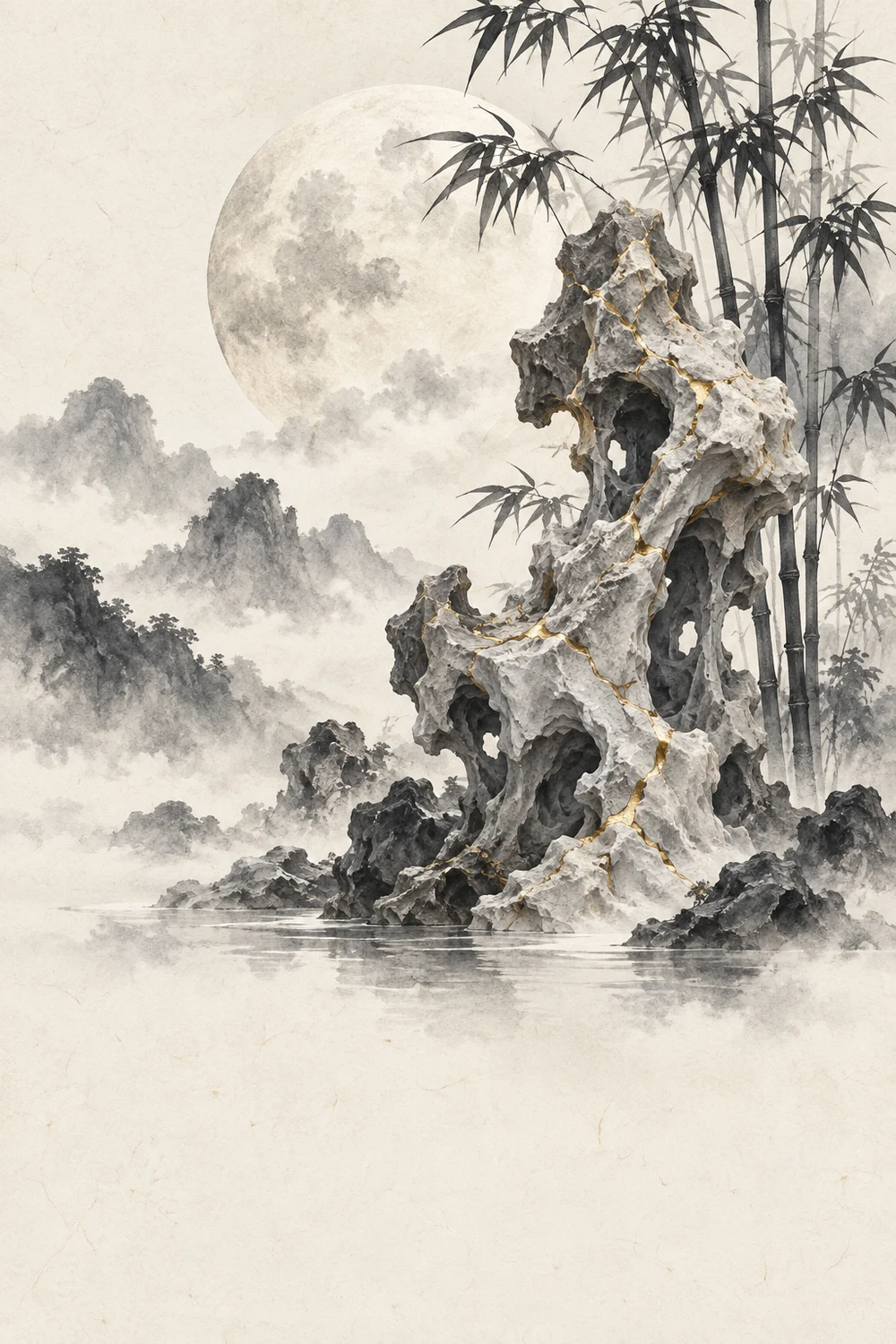
Where 秋分 sits in the solar calendar
Look at the shadow under a parked car or the angle of afternoon sun hitting your kitchen counter in late September. Before the weather makes any dramatic announcement, the light shifts. In the Chinese seasonal calendar, this chapter is 秋分 (Autumn Equinox), one of twenty-four solar terms spaced at exact fifteen-degree intervals of solar longitude along the Sun’s apparent annual path.
Although it usually arrives in September, the exact date and clock time shift slightly each year and depend on your time zone. The traditional names grew out of East Asian agricultural history, so they describe a cultural rhythm rather than a global weather forecast. If you are reading this in the Southern Hemisphere, in the tropics, or during an unseasonably hot week, the calendar name will not match the air outside your window. Does a seasonal marker still feel useful to you when the local weather disagrees with the label?
How the equinox relates to a BaZi chart
In BaZi—a system built from four pillars of two characters each—the solar terms keep the calendar anchored to the Sun’s position rather than lunar months alone. While Li Chun sets the year boundary, alternating solar terms mark the transitions between solar months, and the remaining terms sit at the midpoints between those boundaries.
Autumn Equinox is one of those mid-month markers rather than a month-change boundary. Even so, chart calculations rely on the precise astronomical instants of the solar terms, along with local civil time and midnight day rollovers, rather than rough month labels. If you generate a free basic chart or Day Master card on Your Destiny Atlas, the calendrical engine checks the exact solar-term timestamps for you, so there is no need to guess how a September date falls by hand.
A ten-minute sorting exercise
Because an equinox carries the image of a dividing line, a simple contemporary way to mark 秋分 is to review what to keep and what to release. Instead of turning that into a grand life overhaul, apply it to something small and visible right now.
Imagine someone named Maya sitting at her desk with a mug of tea for ten quiet minutes. She opens a crowded notes app, keeps three active project ideas that still hold her attention, and archives twelve stale reminders she has been ignoring since July. Then she steps outside and takes one photograph of the late-afternoon light on the brick wall across the street.
You can try the same two-part check: record one physical detail from your actual surroundings—a tree on your block, the temperature at dusk, the pace of your commute—and clear out one small commitment or folder you no longer need. Save your note or photo until the next solar term, Cold Dew, to see what actually changed.
Find the story in your own chart.
Calculate your four pillars, meet your Day Master and take away a signature card.
Reveal my signatureCalendar reference: Hong Kong Observatory: the 24 solar terms. Calculation engine: lunar calendar documentation. Archetype labels, exercises and artwork are modern editorial interpretations. Read our method.