One character, four possible columns
If you only know the Chinese zodiac from takeaway menus or New Year posters, seeing the Goat in your chart when you were born in the year of the Tiger can look like a glitch. In BaZi (eight characters), the familiar twelve animals are actually the twelve Earthly Branches, and they cycle through every level of the calendar: years, months, days, and two-hour blocks.
未, romanized as Wèi and associated with the Goat, is the eighth Earthly Branch. By itself, it is only the bottom half of a pillar; a Heavenly Stem always sits above it, and the pair carries the calendrical information together. Before reading anything into the animal, check the column header. A Goat in the month or hour pillar is a time marker for that specific slice of your birth date, not a second birth-year sign.
One in the afternoon and the visible Earth count
In the daily cycle, the customary two-hour window for Wèi runs from 13:00 to 15:00. When you generate a free basic chart here, the calculator uses your recorded local civil time for the hour pillar and midnight for the day rollover, without applying a true solar time correction. If a birth certificate says 1:45 p.m., the hour branch lands squarely in Wèi.
For the five-phase bars on a chart, each of the eight visible characters counts for 12.5%, and Wèi contributes to the Earth phase. Traditional BaZi analysis also looks inside branches for hidden stems and weighs them against the birth season to judge chart strength or favorable elements. Our basic overview keeps the math transparent: it tallies only the surface characters rather than scoring personality or prescribing remedies.
Checking the calendar boundaries and testing the metaphor
Because BaZi tracks solar terms rather than the lunar calendar, a January or early February birth needs a quick boundary check. The year pillar shifts at Li Chun (Beginning of Spring), and month pillars shift at their own solar terms—each spaced by 15 degrees of solar longitude. Someone born in late January before Li Chun still belongs to the previous year's branch, even if Lunar New Year celebrations are already underway.
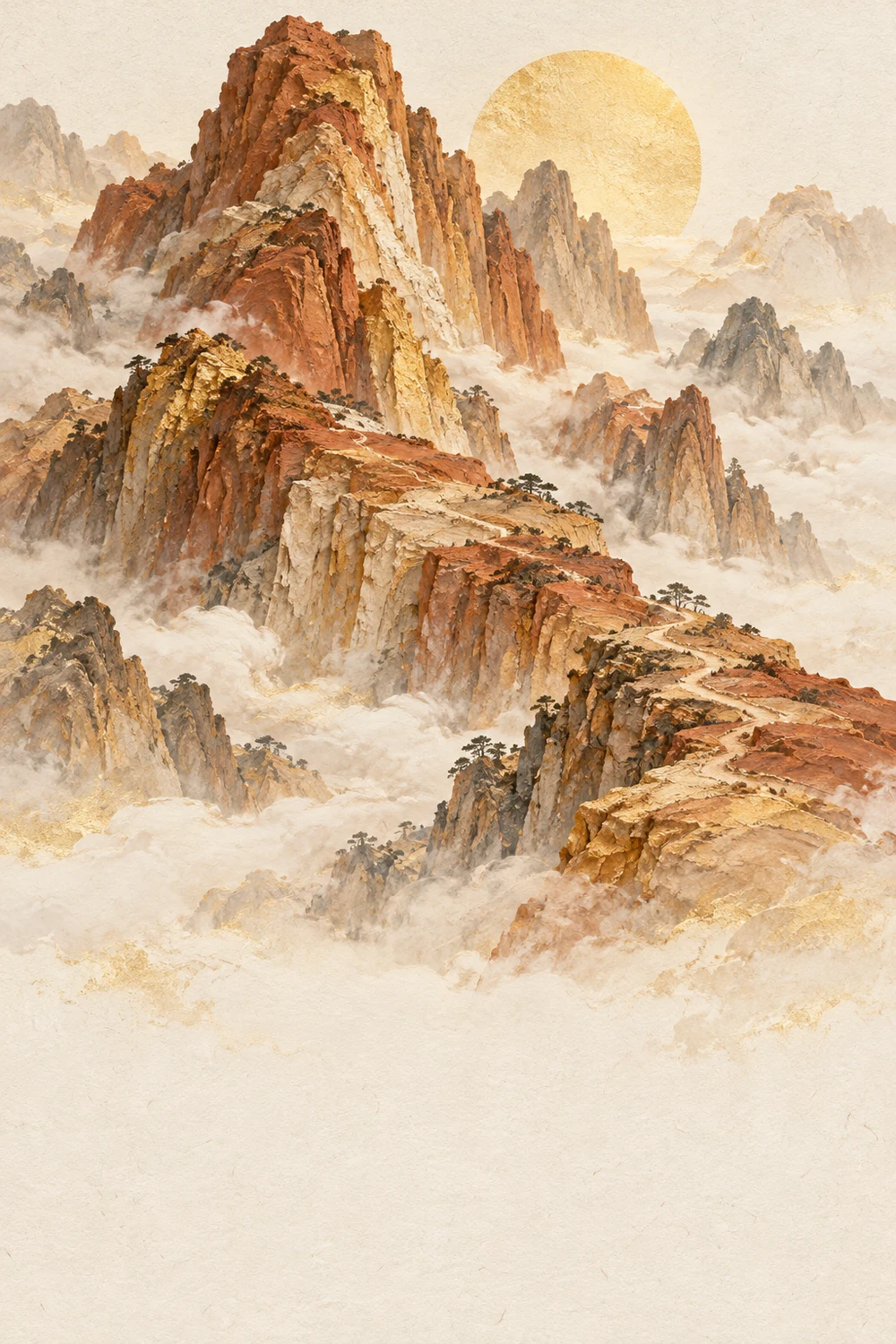
As a contemporary editorial image, this stretch of the cycle suggests settling, nourishment, and quiet adjustment—a pause after the peak of midday or high summer. Imagine a hypothetical designer who has spent all morning pitching bold concepts; by two in the afternoon, the real work is consolidating feedback, trimming the excess, and organizing the shared drive. You might test that prompt on a busy afternoon: look at one open project and ask what needs steadying or editing rather than a fresh burst of speed. And if you work best by sprinting at two o'clock while everyone else slows down, does the settling metaphor still hold any water for you? A calendar image is only an invitation to notice your habits; someone's actual choices and circumstances always provide better evidence than a branch label.
Find the story in your own chart.
Calculate your four pillars, meet your Day Master and take away a signature card.
Reveal my signatureCalendar reference: Hong Kong Observatory: the 24 solar terms. Calculation engine: lunar calendar documentation. Archetype labels, exercises and artwork are modern editorial interpretations. Read our method.